Lead Automation for Physiotherapy Clinics: The Complete 2026 Guide
Most physiotherapy clinics have a lead problem they cannot see. Enquiries arrive through four or five different channels, land in different places, get handled inconsistently depending on who is at the desk, and a meaningful proportion are never followed up at all.
Lead automation for physiotherapy clinics solves this by routing every enquiry into one system and applying the same immediate, structured follow-up to each one regardless of when it arrives or who is working.
This guide covers what the system consists of, how the pieces connect, and what changes once it is running.
Where Physiotherapy Leads Actually Leak
Before building anything, it is worth being clear about where the losses occur, because the fixes are specific.
Multiple uncoordinated channels. Website form to one inbox, Facebook lead form to a notification nobody checks, Google Ads call extension to a phone that rings out during treatment, WhatsApp to someone’s personal phone. Each channel handled differently, some barely handled at all.
Out of hours arrivals. A large proportion of enquiries arrive in the evening or at weekends. Without automation these wait until the next working day, by which point many have booked elsewhere.
Inconsistent handling. One receptionist calls back within the hour with full context. Another sends a brief email. The patient experience varies by who happened to be on shift.
Single-touch follow-up. Most clinics attempt contact once. If the patient does not answer or does not reply, the enquiry is effectively abandoned. A significant proportion of conversions come on the second or third contact.
No visibility. Without a system, nobody can answer how many enquiries arrived last month, how many became appointments, or which channel produced them. Decisions get made on impression rather than data.
What Lead Automation Consists Of
Unified capture. Every channel feeds into one system. Website forms, social lead forms, call tracking, messaging and manual entry from phone enquiries all land in the same place with the same fields.
Immediate acknowledgement. Within a minute of arrival, an automated message goes out using the patient’s name and referencing the condition they enquired about, regardless of the hour.
Condition-based tagging. The enquiry is tagged automatically based on what the patient indicated. This determines which follow-up sequence they receive, because generic follow-up converts considerably worse than condition-specific follow-up.
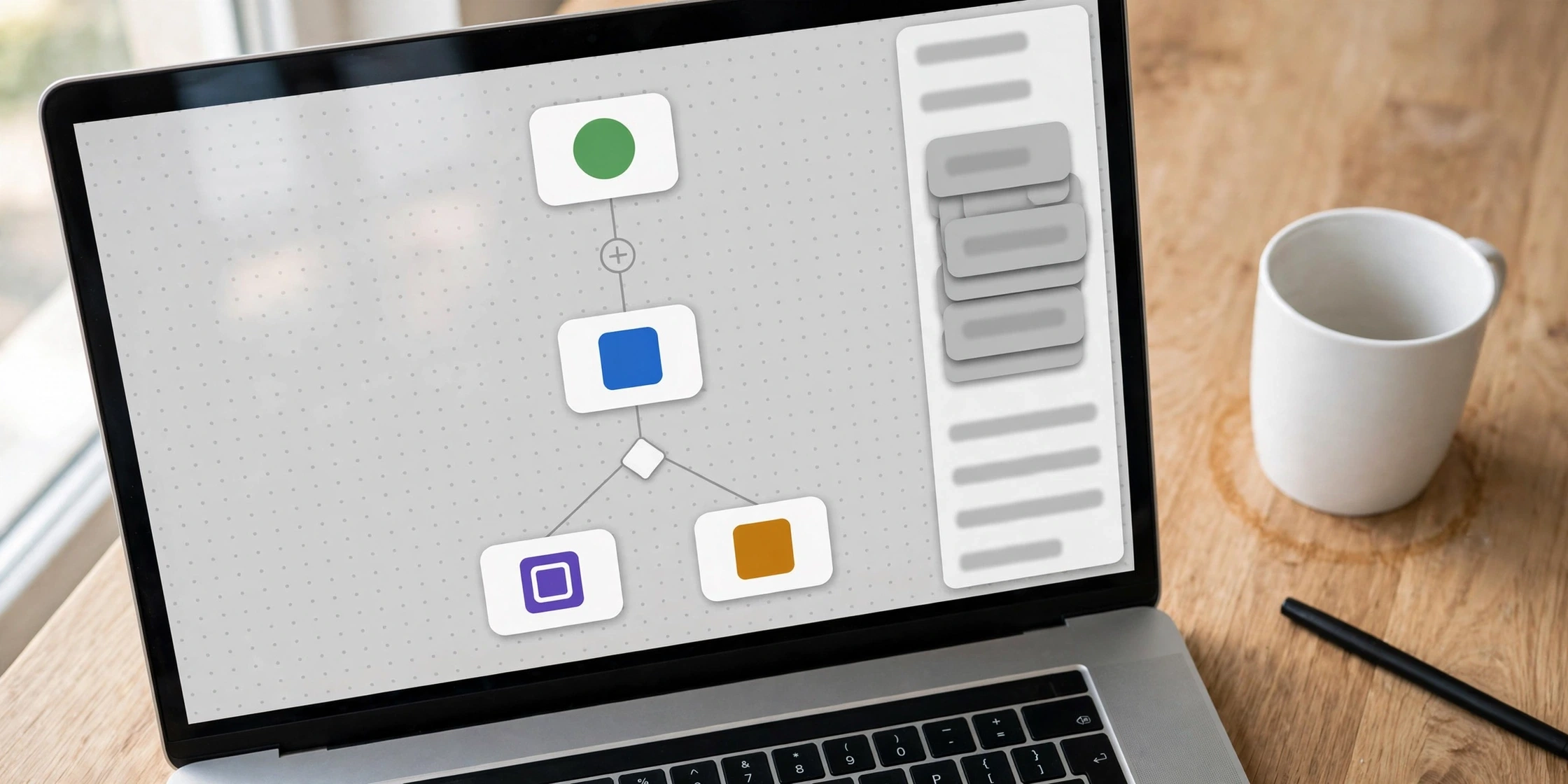
Structured multi-touch follow-up. A sequence of messages over several days rather than a single attempt, spaced deliberately rather than clustered.
Task creation. Alongside the automated messages, a task appears for the team with the patient’s details and enquiry context attached, so a human call requires no preparation or information hunting.
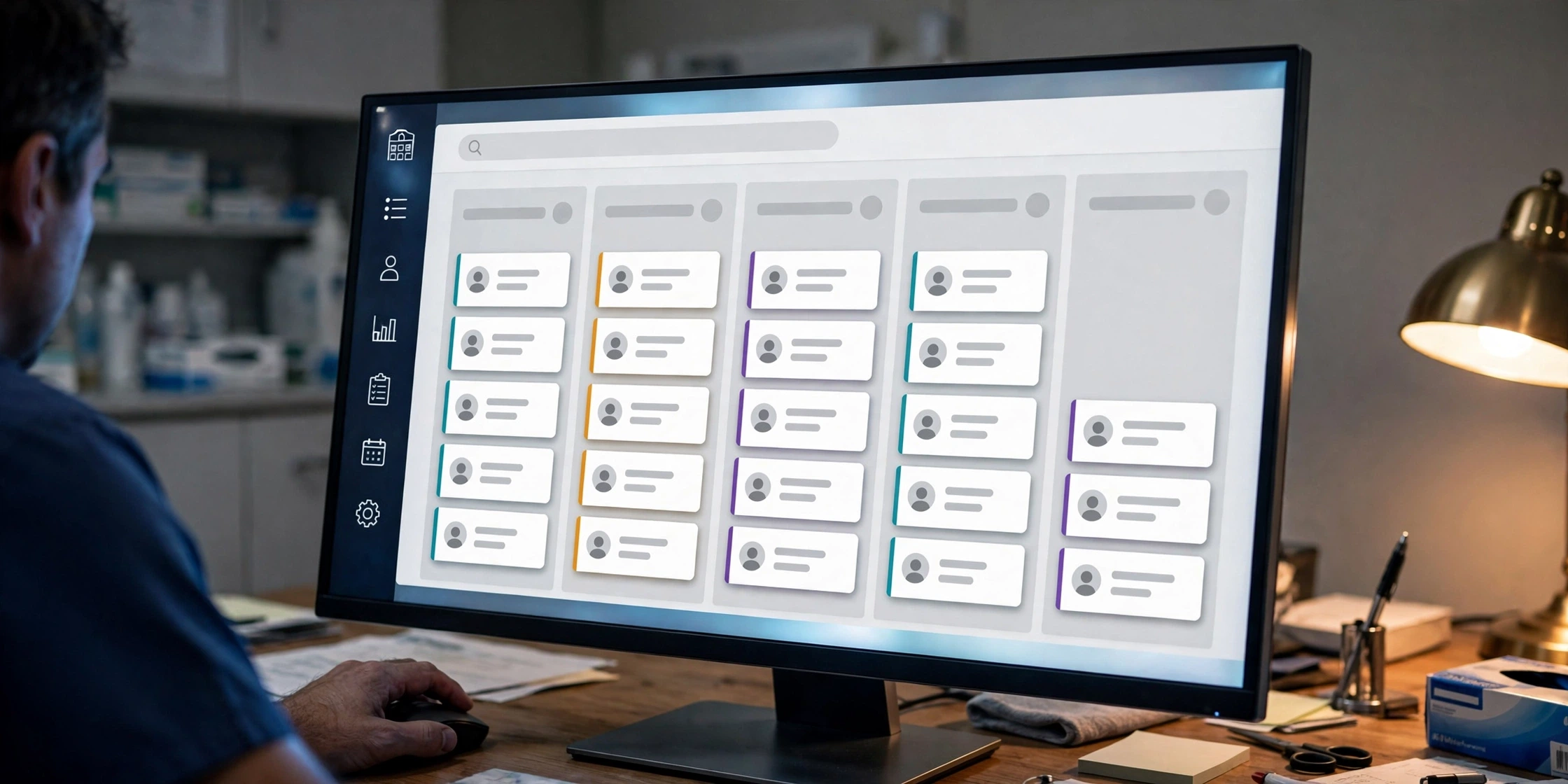
Pipeline tracking. Every enquiry moves through defined stages from received through to booked and attended, which makes drop-off points visible.
Source attribution. Each enquiry is tagged with where it came from, so the clinic can see which channels produce booked patients rather than just clicks.
This all sits on the platform layer covered in our guide to GoHighLevel for physiotherapy clinics.

Designing the Follow-Up Sequence
The sequence is where most of the value sits, and the details matter.
Message one, immediate. Acknowledgement using the patient’s name and their stated condition, with a booking link. Sent within a minute regardless of the time.
Message two, a few hours later or next morning. Useful information about their specific condition and what an assessment involves. This addresses the anxiety that causes hesitation, particularly for patients who have never had physiotherapy.
Message three, day two. A different angle. Often a short note about what happens if the problem is left, or a brief patient outcome relevant to their condition.
Message four, day four. A direct but low pressure check asking whether they still want to be seen and offering to answer any questions.
Then a longer interval nurture. Patients who do not convert within the first week move to a lower frequency sequence rather than being abandoned entirely. Some book weeks later when the problem worsens.
Three principles govern the whole sequence. Every message references their specific condition. Every message has one clear action. Every message makes replying to a human easy.
Qualification Without Friction
Some clinics attempt to qualify leads by asking a series of questions before booking. This usually reduces conversion more than it improves lead quality.
The workable approach is to capture the minimum at enquiry, which is name, contact, and the condition or body area, then qualify during the conversation rather than through a form.
Where qualification genuinely matters, for example distinguishing an insurance-funded patient from a self-funding one, or identifying a presentation that needs onward referral rather than physiotherapy, that can be handled through one or two conditional questions in the automated sequence rather than through a lengthy form at the point of enquiry.
The principle is that friction at the point of enquiry costs more than it saves.
What Changes Once It Is Running
Conversion from enquiry to booking improves. This is the headline change and it happens without generating a single additional enquiry. The same marketing spend produces more appointments.
Out of hours enquiries stop being lost. Evening and weekend enquiries previously converted at a much lower rate than working hours ones. Automation largely closes that gap.
Handling becomes consistent. Every patient receives the same quality of initial response regardless of who is working or how busy the desk is.
Staff time shifts to higher value work. Reception spends less time on initial enquiry admin and more time with patients physically present.
Decisions become data-based. With source attribution and pipeline visibility, the clinic can see which channels produce booked patients and allocate budget accordingly rather than by impression.
Nothing falls through. The most consistent feedback from clinics after implementation is not about conversion percentages. It is that they stopped discovering enquiries from three days earlier sitting unanswered.
Common Mistakes
Automating without personalising. A message that does not use the patient’s name or reference their condition performs barely better than no message. Personalisation is the difference between the sequence working and not.
Too many messages too quickly. Four messages in twelve hours reads as desperate and produces opt-outs.
No human route. Patients with a specific question who cannot reach a person will go elsewhere. Automation handles the routine, humans handle everything else.
Building it and never reviewing it. Reading the actual conversations in the first month reveals gaps that were invisible at setup. Most sequences need two or three rounds of refinement.
Leaving a channel outside the system. One enquiry route that still lands in a separate inbox undermines the whole thing, because that is where the losses continue.
Over-qualifying at the enquiry point. Long forms reduce enquiry volume more than they improve lead quality.
How It Connects to Everything Else
Lead automation for physiotherapy clinics is the conversion layer that sits between advertising and the diary. It makes every other channel more efficient.
Advertising produces a better return because a higher proportion of the enquiries it generates convert. Our Google Ads and Facebook Ads work for physiotherapy clinics generates the enquiries the system then handles.
The website converts better when the enquiry it captures triggers an immediate response. Our website design service builds clinic sites with that connection in place.
Messaging is the channel most of this runs through, covered in our guide on WhatsApp patient follow-up.
And the same infrastructure supports reminders and reactivation, covered in our guides on reducing no-shows and automated patient reactivation.
For the strategic context of where this sits, see our guide on growing your practice. To see results from clinics we work with, visit our reviews page.
Guidance on patient communication standards is published by the Chartered Society of Physiotherapy, and UK data protection requirements for handling enquiry data are published by the Information Commissioner’s Office.
Frequently Asked Questions
A system that captures every enquiry from every channel into one place, responds immediately and automatically, applies condition-specific follow-up sequences, creates tasks for the team, and tracks each enquiry through to a booked appointment.
Not when messages use the patient’s name and reference their specific condition. Patients consistently respond better to an immediate personalised automated message than to a delayed human one.
A basic setup can run within a few days. A properly configured system with all channels connected, condition-based sequences written and pipeline stages defined typically takes one to two weeks including testing.
No. It handles the initial response and routine follow-up, which frees reception time for patients physically in the clinic and for conversations that genuinely need a person.
The technology supports compliant use, but compliance depends on configuration including consent capture, clear opt-out and appropriate data storage. Setups should be reviewed against current ICO guidance.