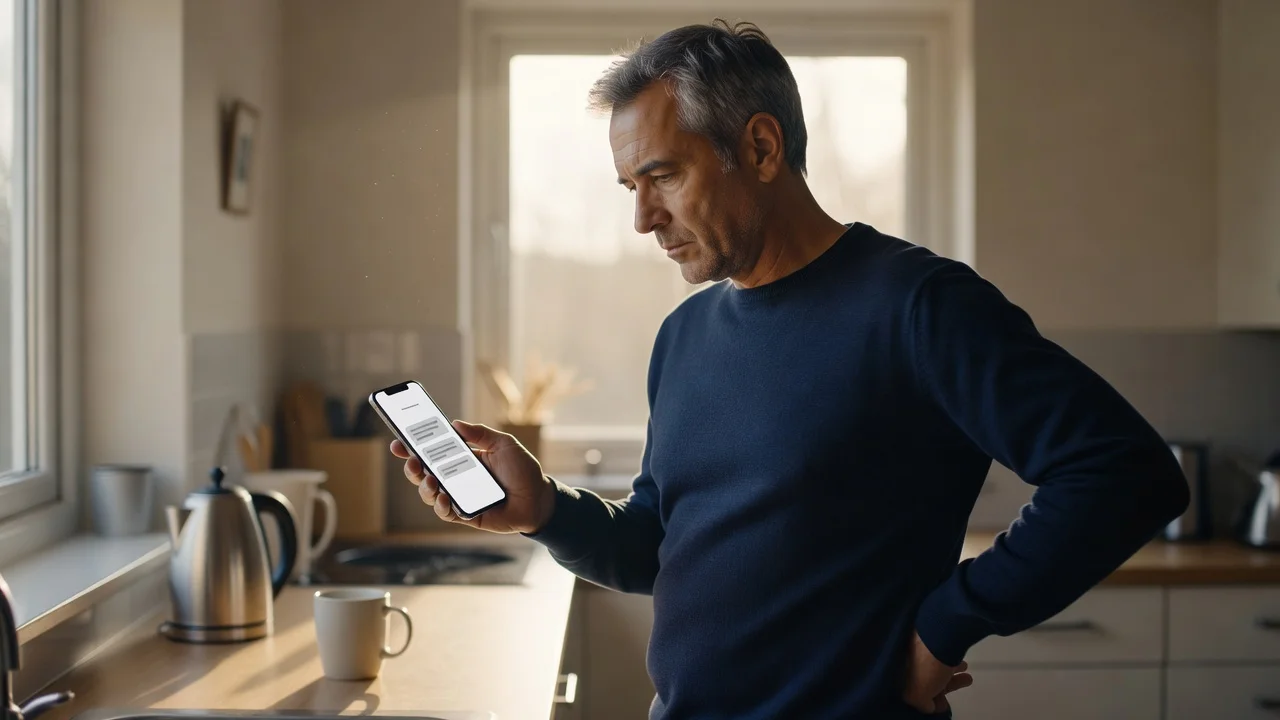
Automated Patient Reactivation: The Cheapest Growth Lever in Your Clinic
Every established physiotherapy clinic is sitting on a list of several hundred people who have already trusted them, already paid them, and already know exactly where the clinic is. Most of those people have not been back in over a year, and most clinics do absolutely nothing with that list.
Automated patient reactivation is the process of systematically contacting that group and inviting them back. It is consistently the lowest cost per booked appointment of any marketing activity available to a clinic, because you are not paying to acquire trust that already exists.
This guide covers how to segment the database, what to actually send, the timing that works, and why most clinics get considerably less from reactivation than they should.
Why Reactivation Outperforms New Patient Acquisition
The economics are straightforward. Acquiring a genuinely new patient requires advertising spend, a landing page, a follow-up sequence and a conversion process that starts from zero trust. Reactivating a past patient requires a message.
Past patients also convert at a higher rate and typically require less persuasion, because the barriers that stop a new patient booking have already been removed. They know the clinic, they know the clinician, they know what an appointment involves and they know roughly what it costs.
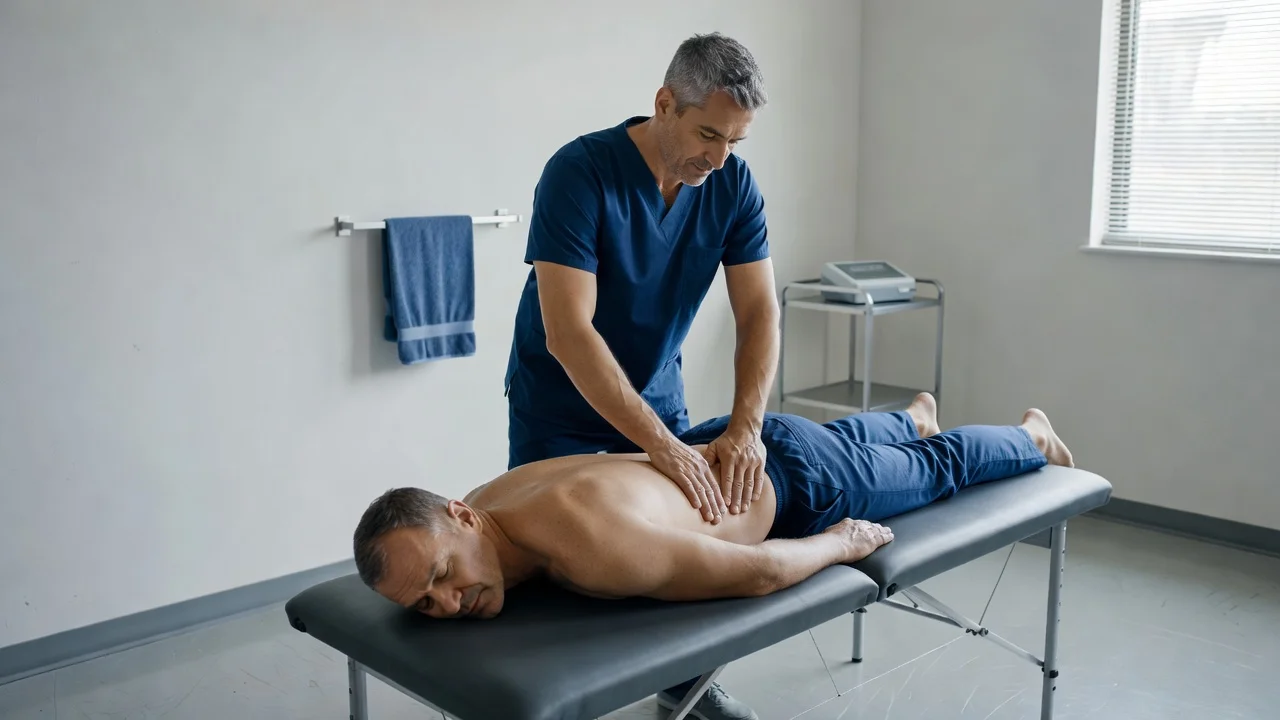
There is also a clinical argument that sits alongside the commercial one. A significant proportion of musculoskeletal conditions recur or leave residual limitation. Patients who stopped attending frequently did so because the acute pain settled rather than because they had fully recovered. A well-written reactivation message often reaches someone who has been quietly managing a problem that could be resolved.
Segmenting the Database Properly
Sending the same message to everyone who has ever attended produces poor results. Segmentation is where reactivation succeeds or fails.
By time since last visit. Six months, twelve months and twenty-four months represent meaningfully different groups. Someone six months out may simply have drifted. Someone two years out has effectively lapsed and needs a different approach.
By condition treated. A patient treated for lower back pain should receive a message about back pain, not a generic clinic newsletter. Condition-specific reactivation consistently outperforms generic messaging by a wide margin.
By how treatment ended. A patient discharged having completed their plan is different from one who stopped attending midway. The second group frequently has an unresolved problem and responds well to a message acknowledging that.
By value. Patients who completed a full course of treatment and attended reliably are worth more effort than one-off attendees who never returned after an initial assessment.
Exclusions matter. Anyone currently under treatment, anyone who has opted out of marketing contact, and anyone flagged for clinical reasons should be excluded automatically rather than manually.
What to Actually Send
The message that works does not read like marketing. It reads like a clinic checking in.
Lead with the condition, not the offer. A message that opens by referencing the problem the patient came in with lands very differently from one that opens with an offer. The patient recognises their own situation immediately.
Acknowledge the time gap naturally. Something along the lines of noticing it has been a while since their last visit and wondering how the shoulder has been holding up. This is how a clinician would actually phrase it.
Give a reason to respond now. Not artificial urgency, but a genuine one. Winter aggravating old back problems. The start of a running season. A gap in the diary this month. A specific reason performs considerably better than an open invitation.
Make the next step small. A reply to the message, or a link to book, rather than asking them to call during working hours. Friction at this point loses a meaningful proportion of interested people.
Keep it short. Reactivation messages that run to several paragraphs perform worse than three or four sentences. The goal is a reply, not a full explanation.
The Timing and Cadence That Works
Automated patient reactivation works on a rolling basis rather than as an occasional campaign.
The most effective structure runs continuously. Every patient automatically enters the reactivation sequence at set intervals after their last appointment, which means the clinic is contacting a small number of people every week rather than blasting the entire database twice a year.
A workable rhythm looks like this. At around three months post-discharge, a check-in message asking how they are getting on. At around eight months, a condition-relevant message with something genuinely useful. At around twelve months, a more direct reactivation message. Then annually thereafter with a light touch.
Two or three messages spaced across several days works better than a single message, because most responses to reactivation come on the second or third contact rather than the first.
Frequency discipline matters. A clinic that messages its database monthly will generate opt-outs and erode goodwill. The interval should feel like a clinic keeping in touch, not a business chasing sales.
Why Most Clinics Get Poor Results From Reactivation
They send it once and stop. A single campaign to the whole database produces a spike of bookings and then nothing. Continuous automated reactivation produces a steady flow indefinitely.
They use generic messaging. A message that could have been sent to anyone gets the response rate of a message sent to nobody in particular. Condition-specific messaging is the single largest driver of response rate.
They lead with discounts. Price-led reactivation attracts patients who were price sensitive in the first place and devalues the service for everyone else. A clinically framed message outperforms a discount message in both response rate and patient quality.
They make responding difficult. A message that asks the patient to call during working hours loses everyone who reads it in the evening. A direct booking link or a simple reply-to-book instruction converts far better.
They do not exclude properly. Sending a reactivation message to someone who attended last week, or to someone who has opted out, damages trust and creates avoidable complaints.
They never review it. Reading the actual replies reveals what is landing and what is not. Most sequences need adjustment after the first month of real responses.
Setting It Up
The practical build sits on the same platform layer that handles enquiry follow-up, covered in our guide to GoHighLevel for physiotherapy clinics.
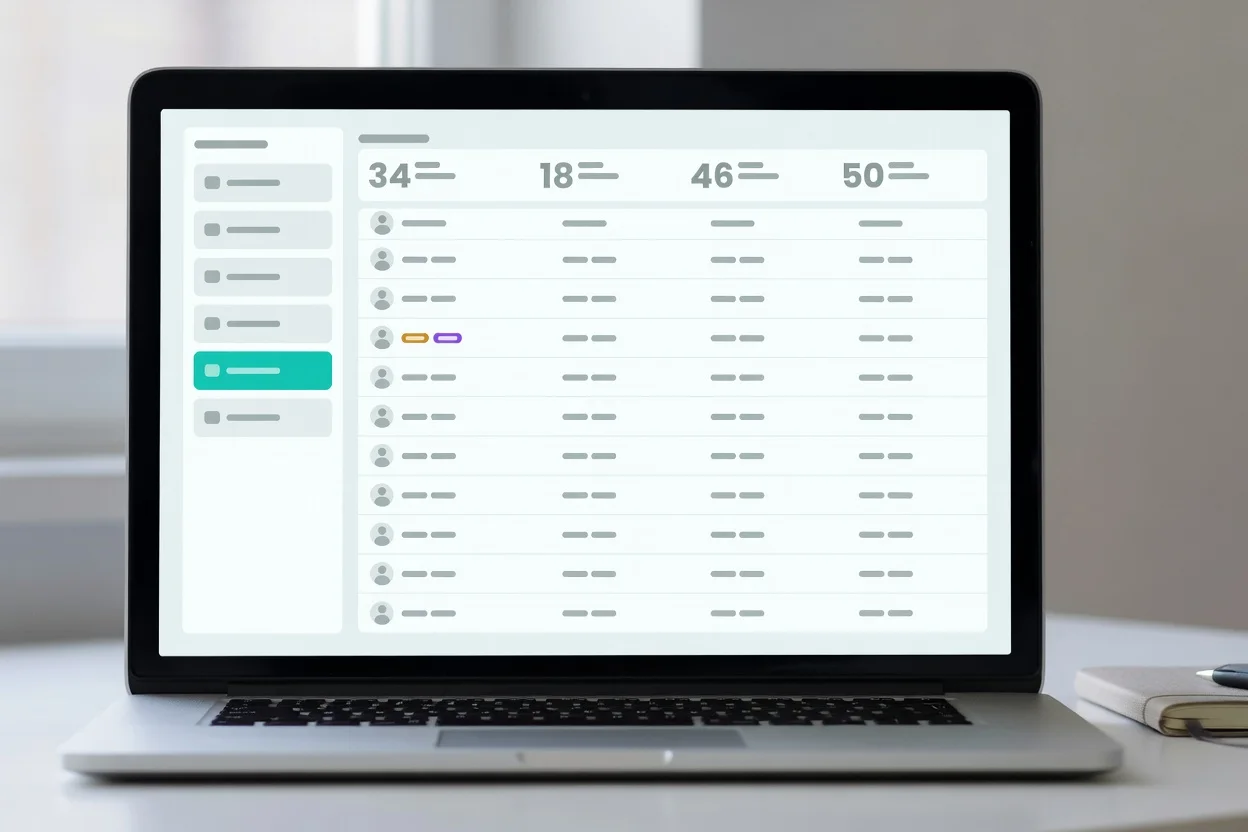
The components are straightforward. The patient database imported and tagged by condition and last visit date. Automated segments that update themselves as time passes. Message sequences written per condition group. Exclusion rules applied automatically. Booking links that connect to live availability. Reporting so the clinic can see response rate and bookings generated.
Once configured it runs without ongoing management beyond periodic message refreshes and reviewing performance.
Reactivation also compounds with the rest of the system. It fills gaps in the diary between new patient peaks, which makes advertising spend more predictable. It generates reviews from returning patients. And it increases patient lifetime value, which improves the economics of new patient acquisition across every other channel.
Our guide on patient booking automation covers the enquiry side of the same system, and our guide on growing your practice covers where reactivation sits in the overall growth sequence. For the broader strategic picture see our physiotherapy marketing strategy guide.
To see results from clinics we work with, visit our reviews page.
Guidance on patient communication and consent is published by the Chartered Society of Physiotherapy, and the Information Commissioner’s Office publishes the UK requirements for direct marketing to existing contacts that any reactivation programme needs to comply with.
Frequently Asked Questions
It is a system that automatically contacts past patients at set intervals after their last appointment with condition-relevant messages inviting them back, without requiring anyone to manually identify and contact them.
Twelve to twenty-four months is the productive range for most clinics. Beyond three years response rates drop considerably and the contact is more likely to feel unexpected rather than welcome.
Not when the frequency is appropriate and the messaging is clinically framed rather than sales-driven. A message asking how a previous problem has been getting on reads as care. A monthly promotional message does not.
This varies by clinic, database quality and how the messages are written. What is consistent is that reactivation produces a lower cost per booked appointment than any paid acquisition channel, because trust already exists.
Contacting existing patients about services similar to those they previously received is generally permitted under UK rules, but consent handling, clear opt-out mechanisms and accurate record keeping are required. Any programme should be reviewed against current ICO guidance.