Patient Booking Automation for Physiotherapy Clinics: The Complete Guide
The majority of physiotherapy enquiries arrive outside clinic hours. Evenings, weekends, and the moments when someone finally decides to do something about the pain they have been ignoring for six weeks. Almost none of those enquiries get a response until the following working day.
Patient booking automation closes that gap. It responds within seconds regardless of the hour, holds a useful exchange with the patient, and in many cases has the appointment confirmed before a member of staff has seen the enquiry at all.
This guide covers exactly how UK physiotherapy clinics set this up, what each component does, and what it changes about the numbers.
Why the Response Gap Costs So Much
A patient enquiring about physiotherapy is usually contacting more than one clinic. They are in discomfort, they want it resolved, and they are not running a careful comparison process. In most cases they book with whoever responds first and sounds competent.
The clinic that replies at nine the next morning is frequently replying to someone who booked elsewhere at ten past nine the previous evening.
This is not a marketing problem. The enquiry was generated successfully. It is an operations problem, and it is the single most common reason a clinic’s advertising appears to underperform. The ads are working. The response time is not.
Patient booking automation addresses this without requiring anyone to answer messages at eleven at night.
The Components of a Booking Automation System
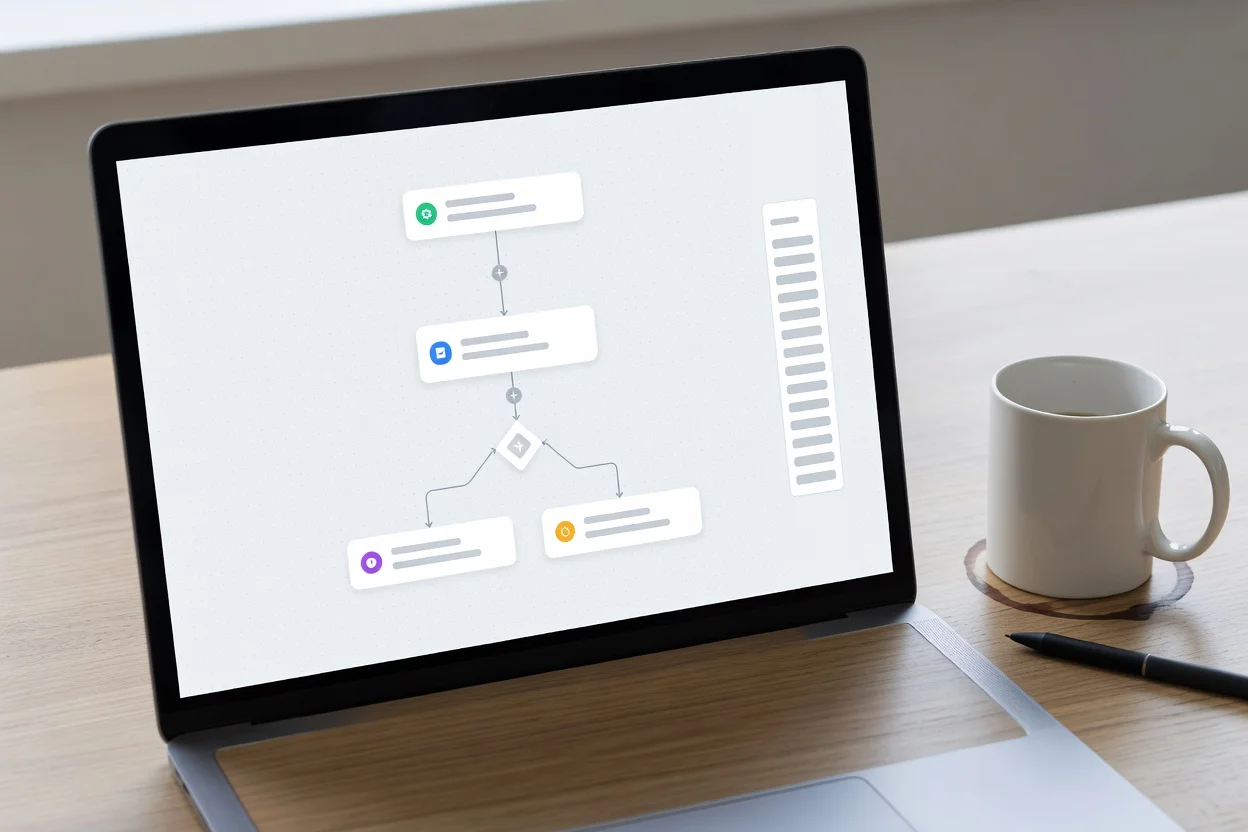
Instant acknowledgement. Within sixty seconds of an enquiry, an SMS goes out using the patient’s name and referencing the specific condition they mentioned. This alone changes the patient’s perception from waiting to being handled.
Condition-specific information. An email follows containing genuinely useful content about their condition and an explanation of what an assessment involves. This addresses the anxiety that causes hesitation, particularly for patients who have never had physiotherapy before.
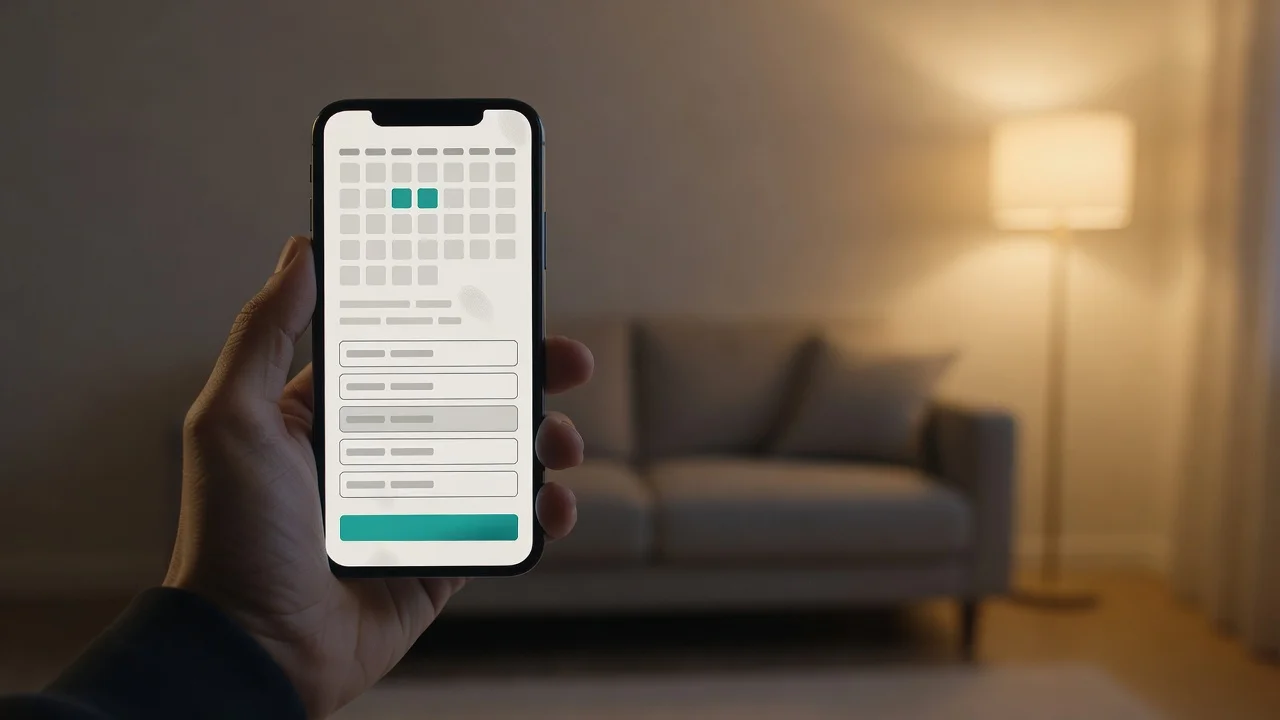
Direct booking link. The message contains a link to live availability. The patient selects a slot themselves without needing to call during working hours. For a patient enquiring at ten at night, this is the difference between booking now and intending to call tomorrow.
Confirmation and reminders. On booking, an immediate confirmation is sent. A reminder follows forty-eight hours before, and another on the morning of the appointment. This sequence reduces no-shows substantially.
Follow-up for non-bookers. Patients who enquire but do not book enter a structured sequence over the following several days. Most conversions from this group happen on the second or third touch rather than the first.
Task creation for the team. Alongside the automated messages, a task appears in the system with the patient’s details and enquiry context so a human call can be made without anyone hunting for information.
What Changes in the Numbers
The effect of patient booking automation shows up in four measurable places.
Conversion from enquiry to booked appointment. This is the headline change. Clinics implementing instant response typically see a substantial improvement in the proportion of enquiries that become appointments, using the same enquiry volume and the same advertising spend.
Out-of-hours conversion specifically. Enquiries arriving after six in the evening or at weekends previously converted at a much lower rate than those arriving during working hours. With automation the gap largely closes.
No-show rate. The reminder sequence reduces missed appointments. For a clinic where each no-show represents both lost revenue and a wasted clinical slot, this has a direct financial effect.
Staff time on administration. Reception time spent on initial enquiry response, confirmation calls and reminder calls reduces considerably, freeing that time for patients physically present in the clinic.
Setting It Up Properly
Map the enquiry sources first. Website form, Facebook lead form, Google Ads call extension, phone, walk-in. Each needs to feed into the same system so nothing sits in a separate inbox.
Write the messages in the clinic’s voice. Automated does not have to mean robotic. The best-performing sequences read like a message a person would send. Overly formal or obviously templated messages perform noticeably worse.
Segment by condition from the first message. A back pain enquiry and a shoulder enquiry should receive different content. Generic follow-up converts considerably worse than condition-specific follow-up.
Set the timing deliberately. Instant for the first message. A few hours for the second. Then daily for two or three days before moving to a longer nurture interval. Too aggressive feels like pressure. Too slow loses the moment.
Always leave a human route. Every automated message should make it easy to reply and reach a person. Automation handles the first response and the routine steps. It should never trap a patient in a loop with no way to speak to someone.
Test it yourself. Submit an enquiry through every channel and experience the sequence as a patient would. Errors are obvious from the patient side and invisible from the admin side.
Where Clinics Get It Wrong
Automating without personalising. A message that says thank you for your enquiry with no reference to who the person is or what they asked about performs barely better than no message at all. The name and the condition need to be in the first line.
Too many messages too quickly. A sequence that sends four messages in six hours reads as desperate and generates opt-outs. Spacing matters.
No route to a human. Patients with a specific question who cannot get an answer from the automation and cannot easily reach a person will simply go elsewhere.
Setting it up and never reviewing it. Reading actual conversations for the first month reveals gaps that were invisible at setup. Most sequences need two or three rounds of adjustment before they perform properly.
Ignoring the non-booker sequence. Most clinics build the instant response and stop there. The follow-up sequence for people who enquired and did not book is where a significant proportion of additional appointments come from.
How It Fits With Everything Else
Patient booking automation multiplies the value of every other marketing activity rather than operating independently.
Advertising becomes more efficient because a higher proportion of the enquiries it generates convert. Our guides on Google Ads and Facebook Ads for physiotherapy cover the traffic side.
The website converts better when the enquiry it captures triggers immediate response rather than sitting in an inbox. Our website design service builds clinic sites with this connection in mind.
And the whole system sits on the platform layer covered in our guide to GoHighLevel for physiotherapy clinics.
For the wider strategic picture of where automation fits alongside acquisition and retention, see our guide on growing your practice.
Guidance on patient communication standards is published by the Chartered Society of Physiotherapy, and the Health and Care Professions Council sets out the professional standards UK physiotherapists work within, including around patient contact.
Frequently Asked Questions
It is a system that responds to patient enquiries automatically and immediately, provides condition-relevant information, offers a direct booking link, and sends confirmation and reminder messages, all without requiring staff to be available at the moment the enquiry arrives.
Not when written properly. Messages that use the patient’s name and reference their specific condition read as attentive rather than automated. Patients consistently respond better to an immediate personalised message than to a delayed human one.
No. It handles the initial response and routine reminders, which frees reception time for patients physically in the clinic and for the conversations that genuinely need a person. It removes admin rather than roles.
The reminder sequence produces a meaningful reduction for most clinics. The exact figure varies by patient demographic and appointment type, but the effect is consistent enough that most clinics recover the setup effort quickly.
The technology supports compliant use but compliance depends on how the clinic configures it, including consent handling, data storage and opt-out mechanisms. Any setup should be reviewed against current UK data protection requirements and professional standards.