
Patient Intake Automation for Physiotherapy Clinics: Stop Losing Time on Paperwork
A new patient walks into a physiotherapy clinic, sits down with a clipboard, and spends ten minutes filling out the same information they could have provided from their phone before ever arriving. Multiply that across every new patient, every week, and the accumulated time cost, both for the patient and for the clinic’s front desk, becomes considerable.
Patient intake automation removes this friction entirely, and for clinics that have implemented it properly, the change extends well beyond saved time into fewer errors, better first impressions and a smoother path from enquiry to first appointment.
Why Manual Intake Costs More Than It Seems
Time at the front desk that could go toward patients already in the building. Every minute spent walking a new patient through paperwork is a minute not spent on the administrative and communication tasks that keep a busy clinic running smoothly.
Illegible or incomplete handwriting causing downstream problems. A form filled out quickly in a waiting room, sometimes by an anxious or uncomfortable patient, frequently contains gaps or unclear entries that someone then has to chase up later.
A weaker first impression than the clinical care deserves. Patients increasingly expect the same convenience from healthcare providers that they get from every other service they interact with. A paper clipboard experience, compared to a smooth digital process completed from home, can undercut the professional impression a clinic is otherwise working hard to build.
Delayed access to information the treating physiotherapist actually needs. When intake information is not captured until the patient arrives, the physiotherapist walks into the first session with less preparation than they could have had, reducing the efficiency of that first, often crucial, assessment.
What Automated Intake Actually Does
Sends intake forms automatically once an appointment is booked. As soon as a new patient books, whether through a website, a phone call logged by staff, or an automated booking flow, a digital intake form goes out automatically, to be completed before they ever arrive.
Captures the information the clinic actually needs, structured usefully. Medical history, current symptoms, previous treatment, and any relevant screening questions, organised in a way that is immediately useful to the treating physiotherapist rather than a pile of loose paper to be manually reviewed.
Reduces friction for the patient. Completing a form on a phone or laptop at a convenient time, rather than rushed in a waiting room immediately before an appointment, is a considerably better experience and tends to produce more complete, accurate answers.
Flags anything requiring attention before the appointment. Certain responses, such as specific red flag symptoms or relevant medical history, can trigger an alert to staff so nothing important is missed between submission and the actual appointment.
Integrates directly with clinic systems. Rather than sitting as a separate document, completed intake information can flow directly into the practice management or CRM system already in use, avoiding duplicate data entry entirely.

Building the Workflow Properly
Trigger the form immediately on booking, not the day before. Sending intake forms as soon as an appointment is confirmed gives the patient more time to complete it thoughtfully, rather than a rushed reminder the night before that competes with everything else in their evening.
Send a reminder if the form has not been completed within a reasonable window. A single automated follow-up message, sent a day or two before the appointment if the form remains outstanding, catches most patients who simply forgot rather than declined.
Keep the form itself genuinely short. Long, exhaustive forms discourage completion and increase abandonment. Capturing what is genuinely needed before the first visit, with more detailed history gathered in person where appropriate, strikes a better balance.
Make mobile completion smooth. Most patients will complete intake forms on a phone rather than a desktop, so the form needs to work well on a small screen, with appropriate input types and minimal typing where possible.
Confirm receipt clearly. A simple confirmation once the form is submitted reassures the patient it was received and sets expectations for what happens next.
At Real Funnels, our GoHighLevel automation service builds intake workflows structured specifically around physiotherapy practices, integrated with the booking and reminder systems clinics already rely on.
What Changes for the Front Desk
Less time explaining and chasing paperwork. Front desk staff spend less time walking patients through forms and following up on incomplete entries, freeing capacity for tasks that genuinely require a human, particularly during busy periods.
A calmer, more organised check-in process. Patients arriving with intake already complete experience a smoother, faster check-in, which sets a better tone for the visit itself.
Fewer errors requiring correction later. Structured digital forms with appropriate validation reduce the incomplete or illegible entries that previously required a staff member to chase down after the fact.
More consistent data across the practice. Every patient completes the same structured process, rather than variation depending on which staff member happened to hand them a clipboard and how thoroughly that patient filled it in.
What Changes for the Physiotherapist
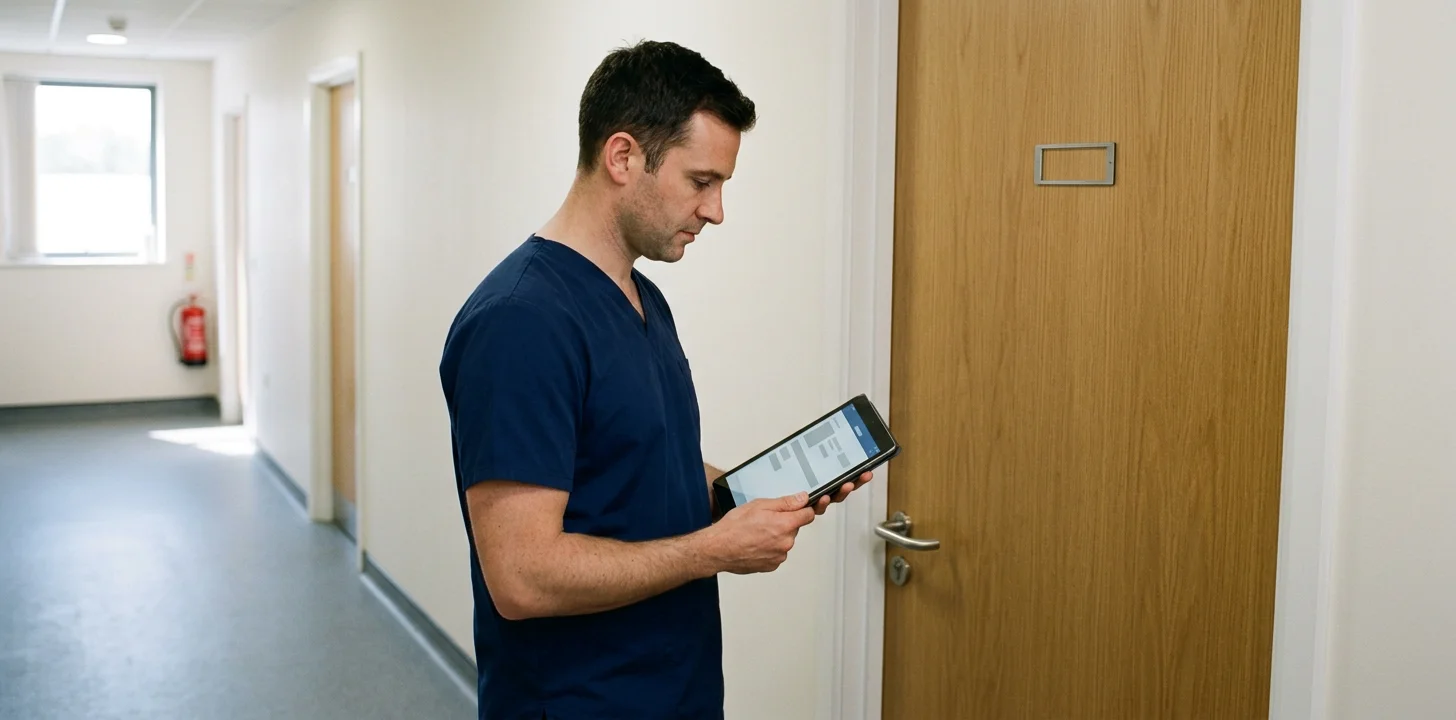
Walking into the first session already informed. Rather than spending the opening minutes of a first appointment gathering basic history, the physiotherapist arrives with a structured summary already available, allowing the session to focus on assessment and treatment from the outset.
A more efficient first appointment. Time previously spent on administrative history-taking can instead go toward the clinical assessment itself, which patients generally experience as more valuable and more professional.
Better preparation for anything unusual. Where intake responses flag something requiring particular attention, the physiotherapist can prepare for that specific situation rather than discovering it live during the appointment.
Connecting Intake to the Rest of the Patient Journey
Intake automation works best as part of a connected system rather than an isolated tool. Once a patient has completed intake, that information and the fact of their upcoming appointment naturally feeds into appointment reminders, which our guide on reducing no-shows in physiotherapy covers in depth, and into the broader patient communication system covered in our guide on patient booking automation.
For clinics building this out for the first time, our GoHighLevel service handles the full setup, connecting intake, booking, reminders and follow-up into a single coherent system rather than a patchwork of separate tools.
If you want to see what automated intake would look like for your specific clinic, book a call with our team.
Frequently Asked Questions
A system that automatically sends new patients a digital intake form as soon as they book an appointment, capturing medical history and relevant information before they arrive, rather than relying on paper forms completed in the waiting room.
Generally it improves it. Patients completing forms at their own pace from home tend to provide more complete and accurate information than a rushed paper form filled out immediately before an appointment, and digital forms can include validation that reduces incomplete answers.
Indirectly, by improving the overall booking and communication experience and by feeding into the reminder system that directly reduces no-shows. A patient who has already engaged with a smooth digital process is generally more invested in the appointment.
Yes, when set up properly. Completed intake information can flow directly into the practice management or CRM system a clinic already uses, avoiding duplicate manual data entry between systems.
No. Smaller clinics often see a proportionally larger benefit, since front desk time saved represents a bigger share of total available admin capacity, and the improved first impression matters regardless of clinic size.